

























The Power of Music in the Digital Age and Its Impact on Youth
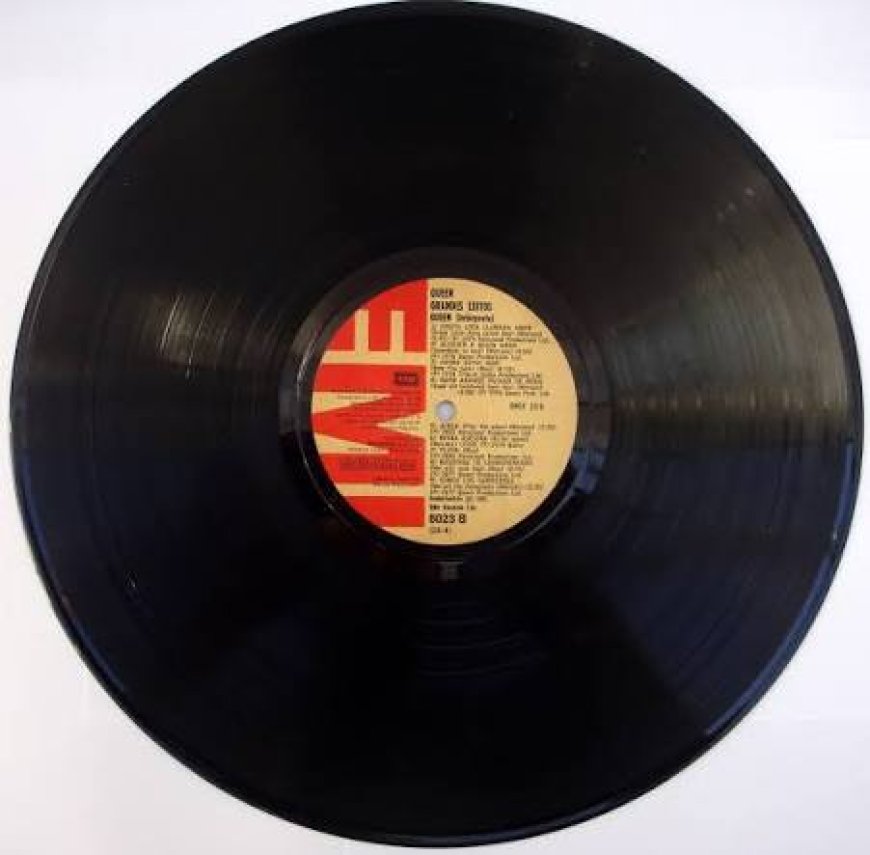
Music has always played a fundamental role in shaping the identity of young people across generations. From the days when vinyl records dominated living rooms to the era of cassettes and CDs, the art of sound has been the universal language of youth. Through melodies and lyrics, teenagers find a way to express their emotions, doubts, and aspirations, creating a space for refuge and self-discovery.
With the advent of the internet and the widespread adoption of social media, the way young people consume and create music has changed radically. Today, streaming platforms and video-sharing sites allow anyone, anywhere in the world, to access millions of songs with just one click. This ease of access has democratized culture, exposing the new generation to an unprecedented diversity of musical genres, ranging from international pop to traditional rhythms from distant countries.
Beyond simply consuming music, today’s youth have taken on an extremely active role in music production. In the past, recording a song required expensive contracts with major labels and access to professional studios that were out of reach for most people. Today, with a simple computer, a good microphone, and some audio editing software, many young people can set up a functional studio in their own bedrooms, turning their creativity into actual productions.
This technological revolution has opened the door for new talent that might otherwise never have been discovered. Independent artists use social media to promote their work directly to the public, cutting out the industry’s traditional middlemen. This direct connection creates close-knit fan communities, where feedback is immediate and mutual support helps propel careers that began as purely amateur endeavors.
However, the path for young independent artists is far from easy and requires resilience. The lack of financial resources to invest in high-quality equipment, such as professional microphones and audio interfaces, remains one of the biggest obstacles for those just starting out. This is why many creators turn to friends, family, and crowdfunding campaigns to turn their dreams into viable projects.
Support from the local community and the diaspora plays a crucial role in the success of these new creators. When the public shares, supports, or invests in a young talent, they are not only helping to purchase technical equipment; they are validating the effort and dedication of someone trying to find their place in the world. This moral encouragement is often the fuel needed to keep the artist from giving up in the face of initial difficulties.
In short, music in the digital age remains a powerful tool for social and personal transformation among young people. By giving young people a voice and autonomy, technology allows local stories to take on a global dimension. Investing in and believing in the potential of young creators ensures that culture continues to renew itself, bringing new perspectives and melodies that will define the sound of the future.
MS